The risks for PTSD after sexual assault are extremely high. Factors in the rural response to sexual assault can increase the risks for the development of PTSD. In this session, we will discuss these risk factors, the various models for providing sexual assault care in the community, and some guiding principles to consider in choosing a model appropriate for one's rural community.
Objectives:
- Discuss risks for PTSD after sexual assault and subsequent health consequences
- Describe factors in rural areas that impact risk or resilience to PTSD after an assault
- Identify key factors in choosing a model of healthcare for a rural community to reduce risks of PTSD
PRESENTER
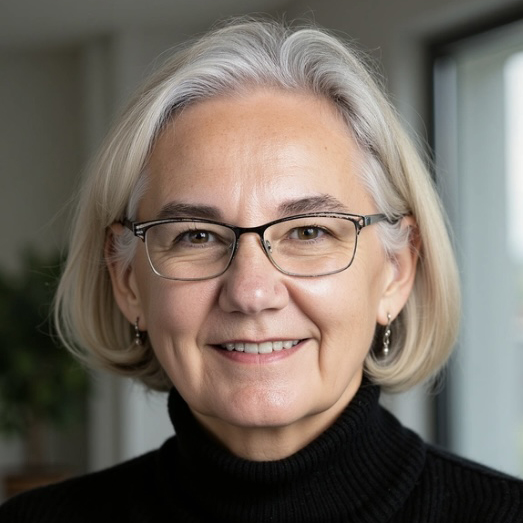 |
Cathy Carter-Snell
PhD, RN, SANE-A, DF-AFN
Cathy (CJ) Carter-Snell has a long history with trauma nursing in various clinical settings, including ER, medivac, forensic teams, and disaster responses. Her research focus is on prevention of violence, including sexual assault and dating violence, or reducing the consequences of violence. This includes promoting rural health responses to sexual assault/partner violence, injury identification, and factors to reduce the risk of PTSD/critical incident stress.
|
Enduring Modules - This module originated on 4/22/2026 and will remain available for CE credit through 04/30/2028
Criteria for Successful Completion:
Live attendees must join the zoom link via the LMS site, be logged in for a minimum of 90% of the session, and successfully complete the attestation and evaluation. Upon completion, a CE certificate for 1.25 contact hours will be awarded.
Recordings of the live session will be made available within one week of the live date.
Asynchronous attendees must utilize the LMS to obtain resource information (if available), view 100% of recording(s), complete all modules, and successfully complete the attestation and evaluation. Upon completion, a CE certificate for 1.25 contact hours will be awarded.
No relevant financial relationships exist for any individuals in a position to control content of this educational activity.
NOTE:
The Academy of Forensic Nursing is accredited as a provider of nursing continuing professional development by the American Nurses Credentialing Center’s Commission on Accreditation.
