This seven-session intensive training provides a comprehensive, multidisciplinary exploration into the complex impact of pornography across the lifespan, integrating history, neurobiology, mental health, technology-facilitated abuse, and forensic nursing interventions within a trauma-informed framework. Designed for healthcare professionals, forensic practitioners, law enforcement, legal personnel, and public health advocates, the series aims to deepen understanding the impact of pornography on patient populations.
- January 14, 2026 - Pre-Recorded
Part I – History of Pornography: How Did We Get Here?
Note: This session will be pre-recorded. No live session.
Examines the historical evolution of pornography, shifting cultural norms, and how commodified sexuality has shaped societal expectations and gendered self-esteem, particularly for women. Presenters: Dr. Anne Troy & Melissa Demma
- January 21, 2026 - 6 p.m. ET
Part II – Technology's Role in Pornography and Victimization
Focuses on digital platforms, online grooming, sextortion, non-consensual image sharing, deepfakes, and trafficking, emphasizing how online spaces normalize exploitation and disproportionately target marginalized groups. Presenter: Natalie Evenson
- January 28, 2026 - POSTPONED
- February 4, 2026 - POSTPONED
- February 11, 2026 - 6 p.m. ET
Part IV – Understanding the Impact of Child Sexual Abuse Material (CSAM)
Addresses the severity, prevalence, and enduring impact of CSAM on child development, family systems, and lifelong health, underscoring that such material is never harmless. Presenter: Dr. Elizabeth B. Dowdell
- February 18, 2026 - 6 p.m. ET
Part III – The Truth About Pornography: The Impact of Pornography on Mental Health
Provides a deeper dive into the neurobiological and psychological consequences of pornography use and exposure—including addiction-like patterns, distorted intimacy, and long-term harms—for both adults and children. Presenter: Dr. Paul Thomas Clements
- February 25, 2026 - 6 p.m. ET
Part V – Interventions and Actions for Children: How Forensic Nurses Can Intervene, Mitigate Harm, and Promote Change
Equips forensic nurses with practical strategies to identify pornography-related harms for children in clinical settings, conduct trauma-informed assessments, document and collaborate across disciplines, and engage in prevention, advocacy, and systems-level change. Presenter: Dr. Paul Thomas Clements
- March 4, 2026 - 6 p.m. ET
Part VI – Interventions and Actions for Adults: How Forensic Nurses Can Intervene, Mitigate Harm, and Promote Change
Equips forensic nurses with practical strategies to identify pornography-related harms for adults in clinical settings, conduct trauma-informed assessments, document and collaborate across disciplines, and engage in prevention, advocacy, and systems-level change. Presenter: Dr. Anne Troy
- March 11, 2026 - 6 p.m. ET
Part VII – Case Studies
Brings all components together through a comprehensive set of scenarios that allow participants to apply concepts, practice trauma-informed responses, and strengthen confidence in addressing pornography-related harm in real-world practice. All presenters will also be available for a live Q&A session.
PRESENTERS
|
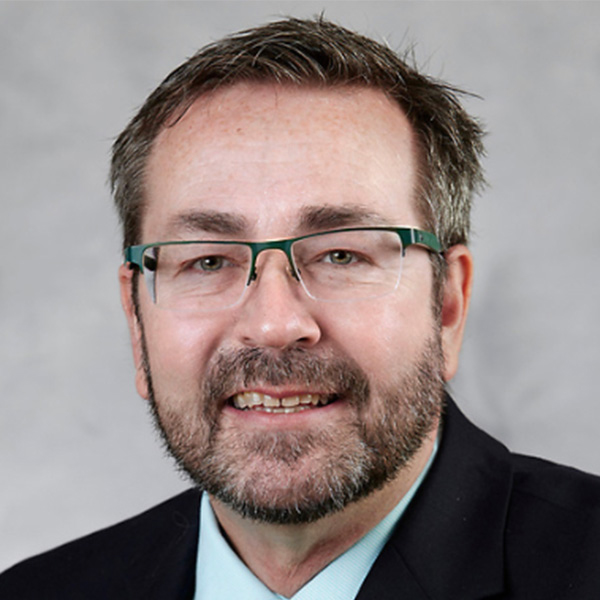
Paul Thomas Clements, PhD, RN, AFN-C, ANEF, FAAN, is a Clinical Professor at Texas A&M University – Center for Excellence in Forensic Nursing, where he is also Director for the Doctor of Nursing Practice Leadership degree program. Clements is an internationally recognized forensic and psychiatric clinical specialist whose career has focused on the impact of trauma, violence, and high-risk exposure on children, adolescents, and families. A Fellow of the American Academy of Nursing (FAAN) and the National League for Nursing Academy of Nurse Educators (ANEF), Clements has more than 25 years of expertise addressing childhood victimization, trauma-informed assessment, behavioral responses to violence, and the neurobiological effects of traumatic exposure. He is widely published, with more than 100 peer-reviewed articles and multiple textbooks on child maltreatment, violence across the lifespan, trauma-informed care, and forensic mental health. His national and international presentations include keynote addresses on childhood trauma, sexual aggression, digital exploitation, and the psychosocial consequences of exposure to violence. Clements’ early research at the University of Pennsylvania examined traumatic responses in youth exposed to homicide, establishing the foundation for his lifelong work in trauma and developmental vulnerability. As Clinical Professor at Texas A&M University’s Center for Excellence in Forensic Nursing, he continues to advance education, research, and clinical leadership in protecting children and adolescents from interpersonal, digital, and sexual harm. His combined clinical, academic, and forensic expertise uniquely positions him to address the urgent and emerging challenges posed by children’s and teens’ exposure to pornography, including developmental, psychological, relational, and safety-related consequences, as well as evidence-based strategies for assessment, prevention, and intervention.
|
 |
Melissa Demma is a senior BSN nursing student and a member of the honors nursing program at the University of Holy Cross in New Orleans, graduating in May 2026. She is passionate about health education and advocating for conversations that support healthier lives and relationships. Hailing from Slidell, Louisiana, Demma brings a unique perspective as both a future healthcare professional and a mother of two boys. She is committed to promoting safe, informed, and developmentally appropriate discussions around media exposure, especially the harmful effects of pornography. When she is not studying, Demma enjoys life at home with her sons, Colin and Caiden, and her rescue dog, Miah. |
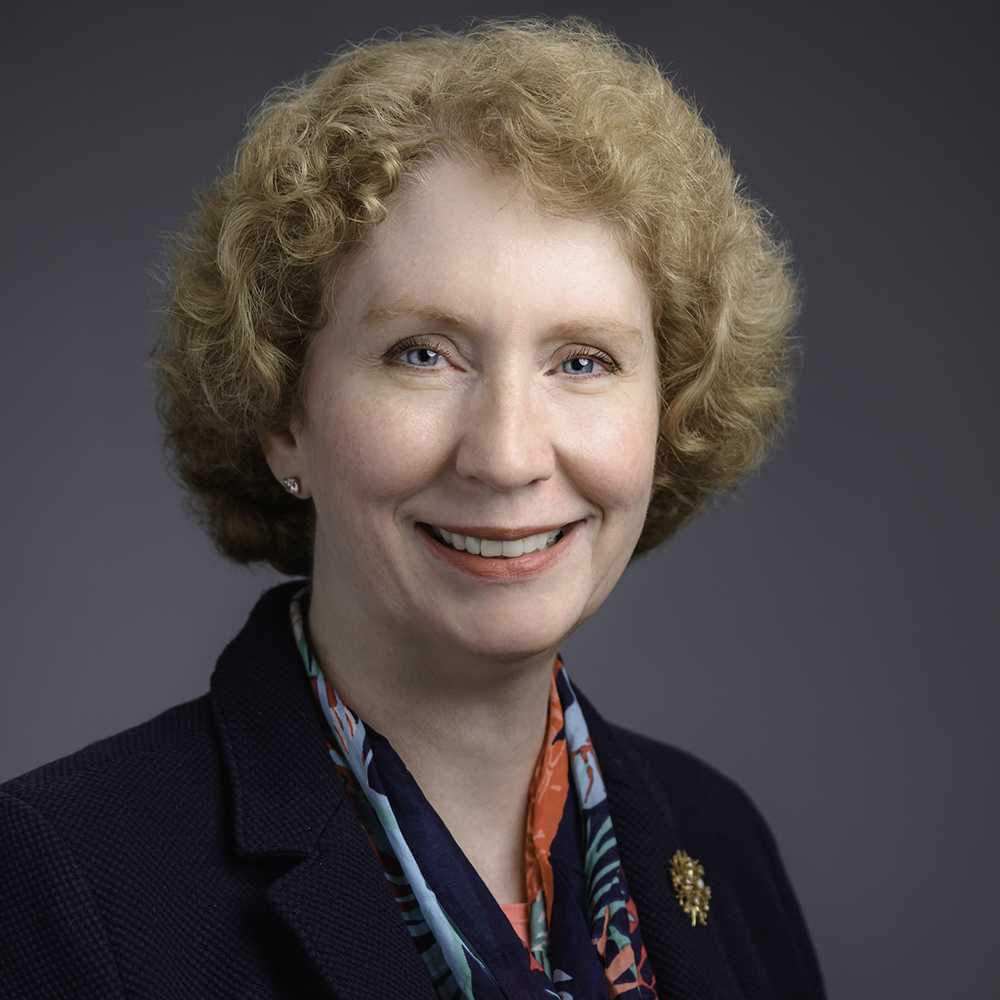 |
Elizabeth B. Dowdell, PhD, RN, AFN-C, IVSE-C, FAAN, is a pediatric forensic nurse whose work addresses clinical practices and explores socio-economic aspects and public health concerns. She is currently a professor and coordinator of undergraduate research at Villanova University M. Louise Fitzpatrick College of Nursing.
|
|
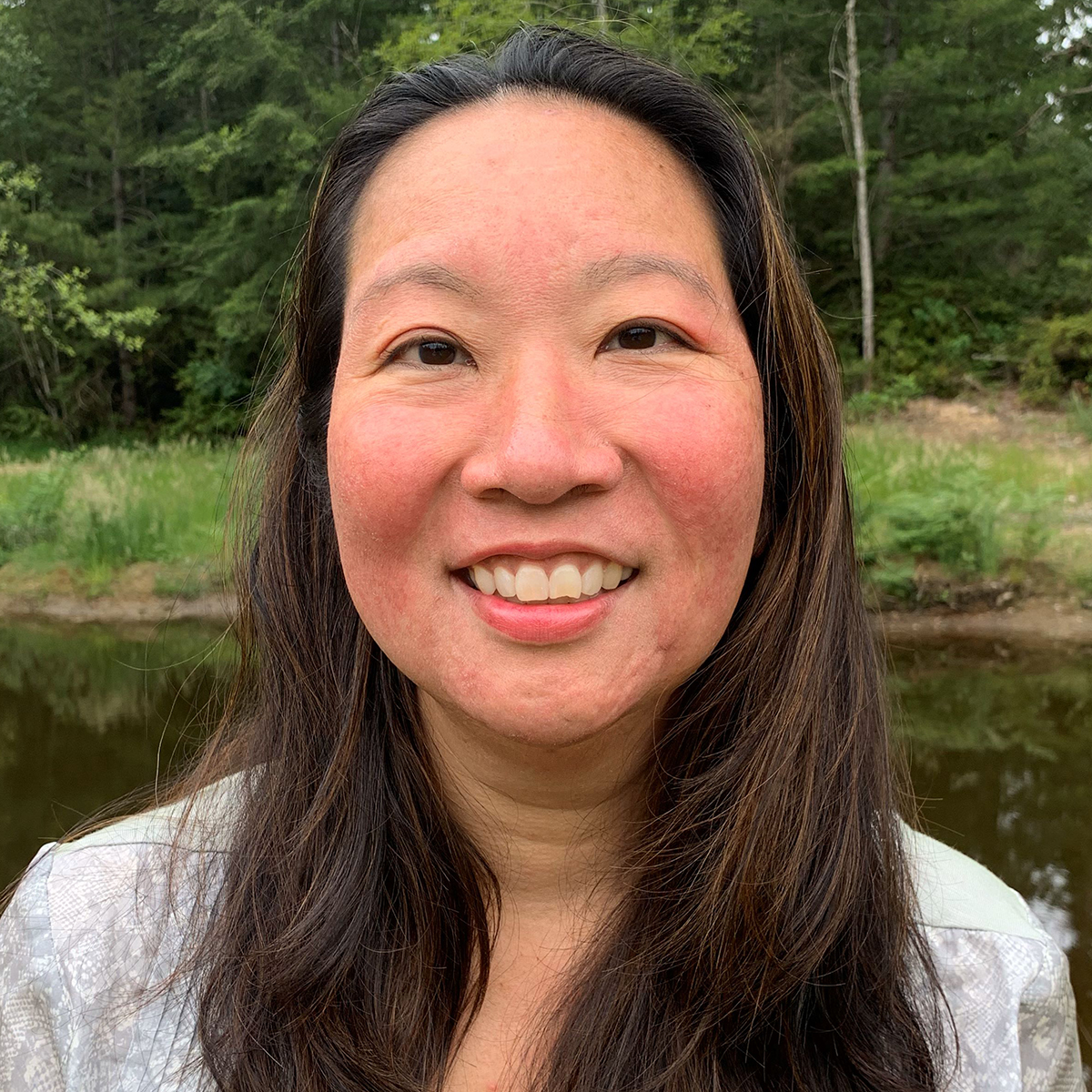
Natalie Evenson, MSN, BSN, RN, SANE-A, SANE-P, IVSE-C, is the SANE Program Coordinator at St. Michael Medical Center in Silverdale, Washington, serving adult, adolescent, and pediatric patients. She has been a nurse since 1998 and a forensic nurse since 2004. Evenson earned a Bachelor of Arts in Social Welfare from the University of Washington, giving her a unique insight into understanding the work surrounding victims and offenders and navigating the related social systems.
Evenson earned a Bachelor's Degree in Nursing from Western Governors University in Salt Lake City, Utah, and subsequently a Master of Science Degree in Nursing Education from there as well, completing a Capstone project developing a BSN training curriculum on Non-Fatal Strangulation.
Evenson has a background in Trauma, Emergency, Critical Care, and Perioperative nursing and is one of the founding members of the AFN Violence and Behavior Special Interest Group. She is also a nurse writer and forensic nursing expert witness and owns My Nurse Writer Consulting and Expert Witness Services LLC. She is passionate about serving individuals and communities affected by violence and educating the forensic nursing community.
|
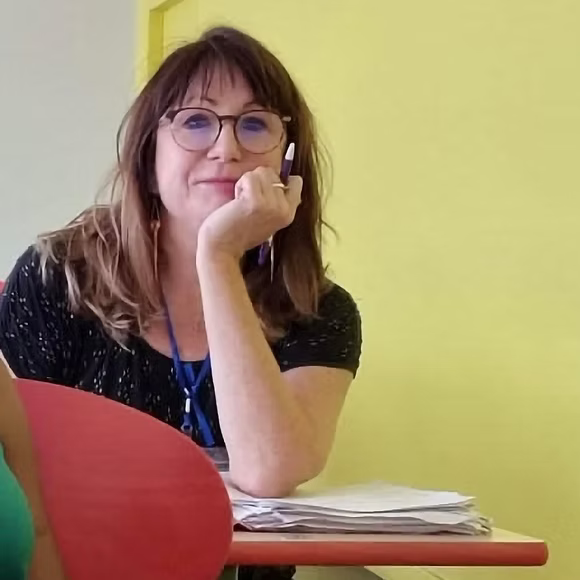 |
Anne Troy, PhD, APRN, FNP-BC, has worked as a nurse for 50 years with the vast majority of her work focused on mental health and forensic care of children. She has an educational book My Mimi is a Freckle Detective, used at her CAC for educating parents to prevent sexual abuse. She is an Associate Professor at the University of Holy Cross in New Orleans, and gets to work with the bravest children in L.A. at Children's Hospital.
|
Enduring Modules - This module originated on Jan 14, 2026 and will remain available for CE credit through Jun 30, 2028
Criteria for Successful Completion:
Live attendees must join the zoom link via the LMS site, be logged in for a minimum of 90% of the session, and successfully complete the attestation and evaluation. Upon completion, a CE certificate for 8.75 contact hours will be awarded.
Recordings of the live session will be made available within one week of the live date.
Asynchronous attendees must utilize the LMS to obtain resource information (if available), view 100% of recording(s), complete all modules, and successfully complete the attestation and evaluation. Upon completion, a CE certificate for 8.75 contact hours will be awarded.
No relevant financial relationships exist for any individuals in a position to control content of this educational activity.
NOTE:
The Academy of Forensic Nursing is accredited as a provider of nursing continuing professional development by the American Nurses Credentialing Center’s Commission on Accreditation.
